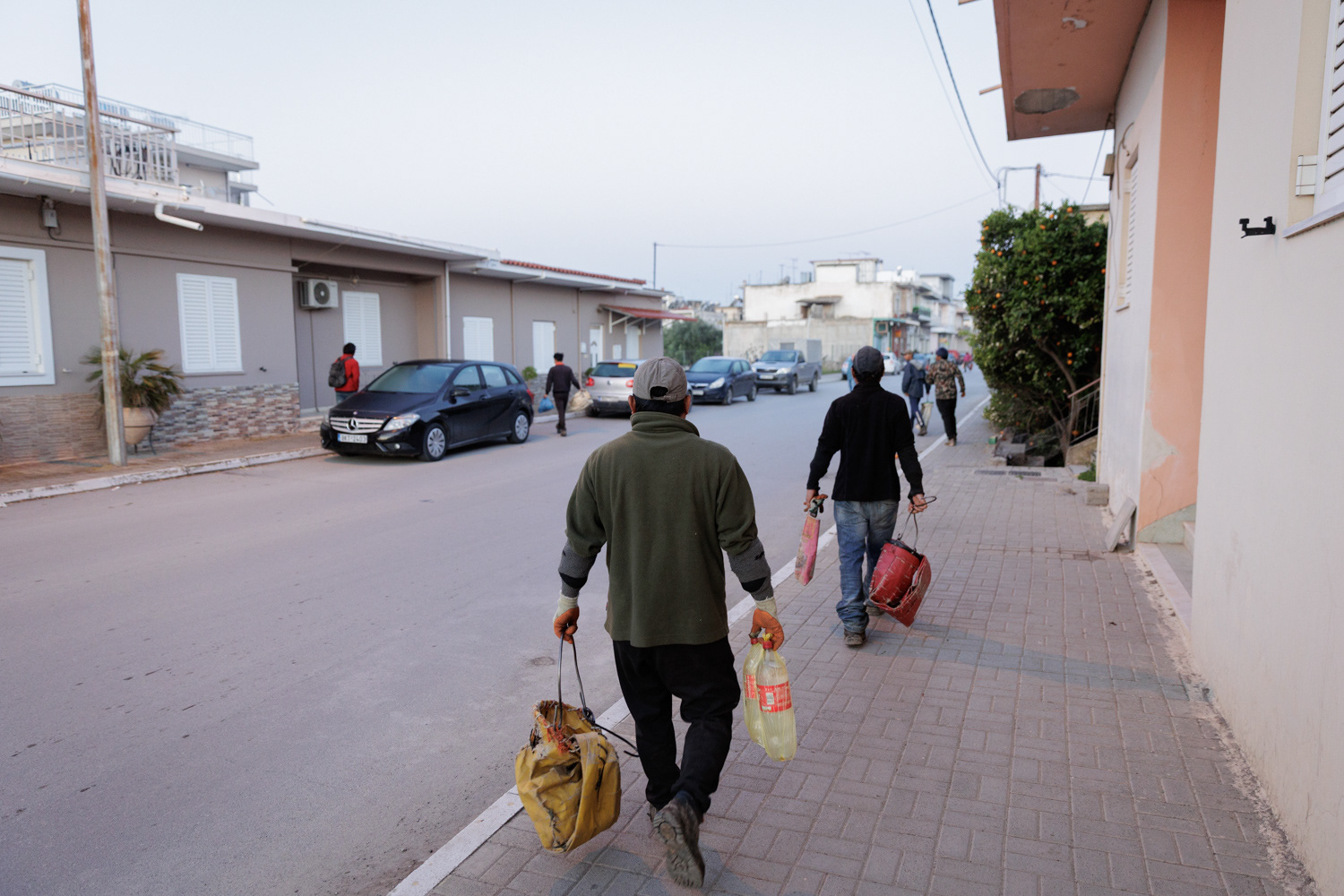
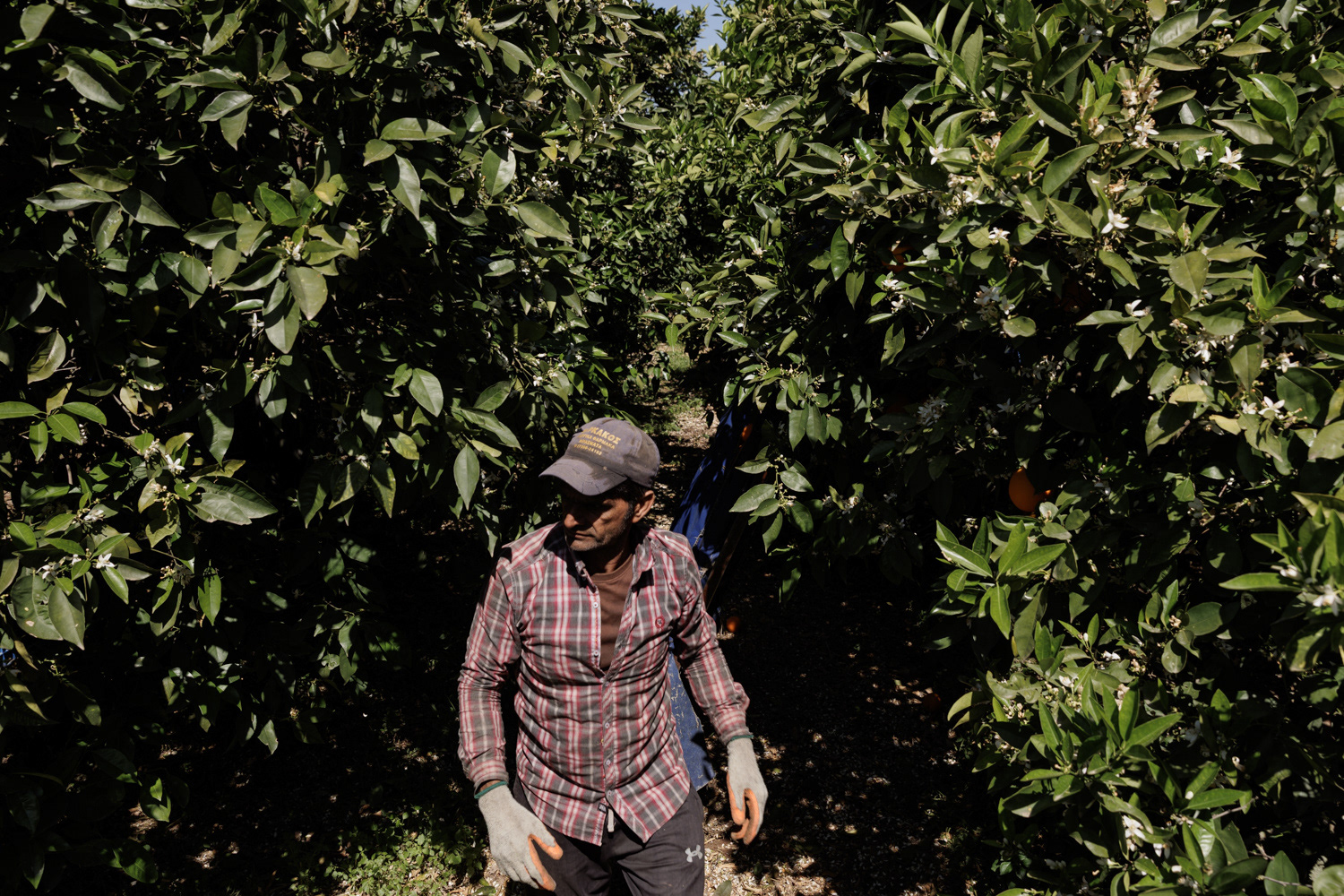
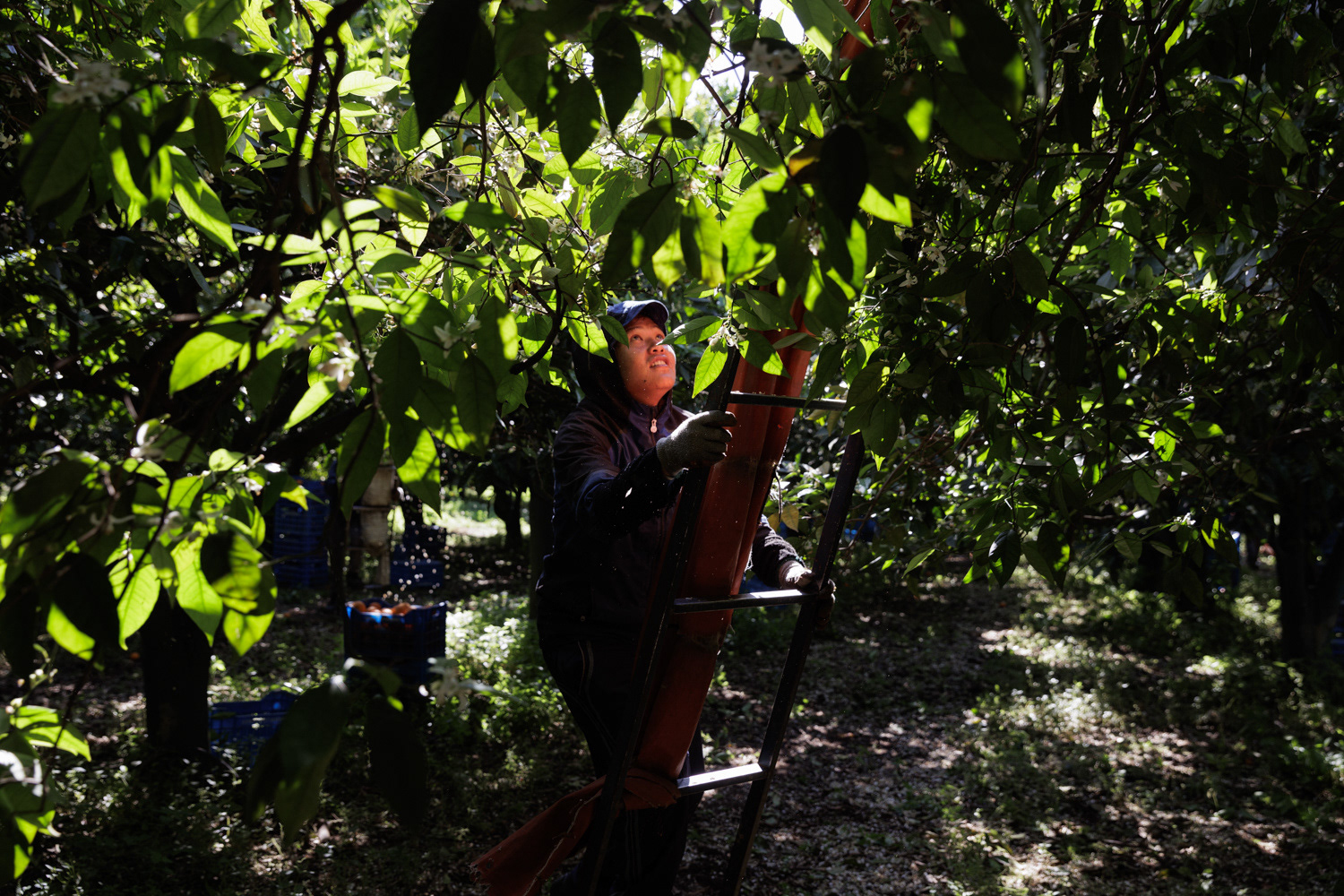
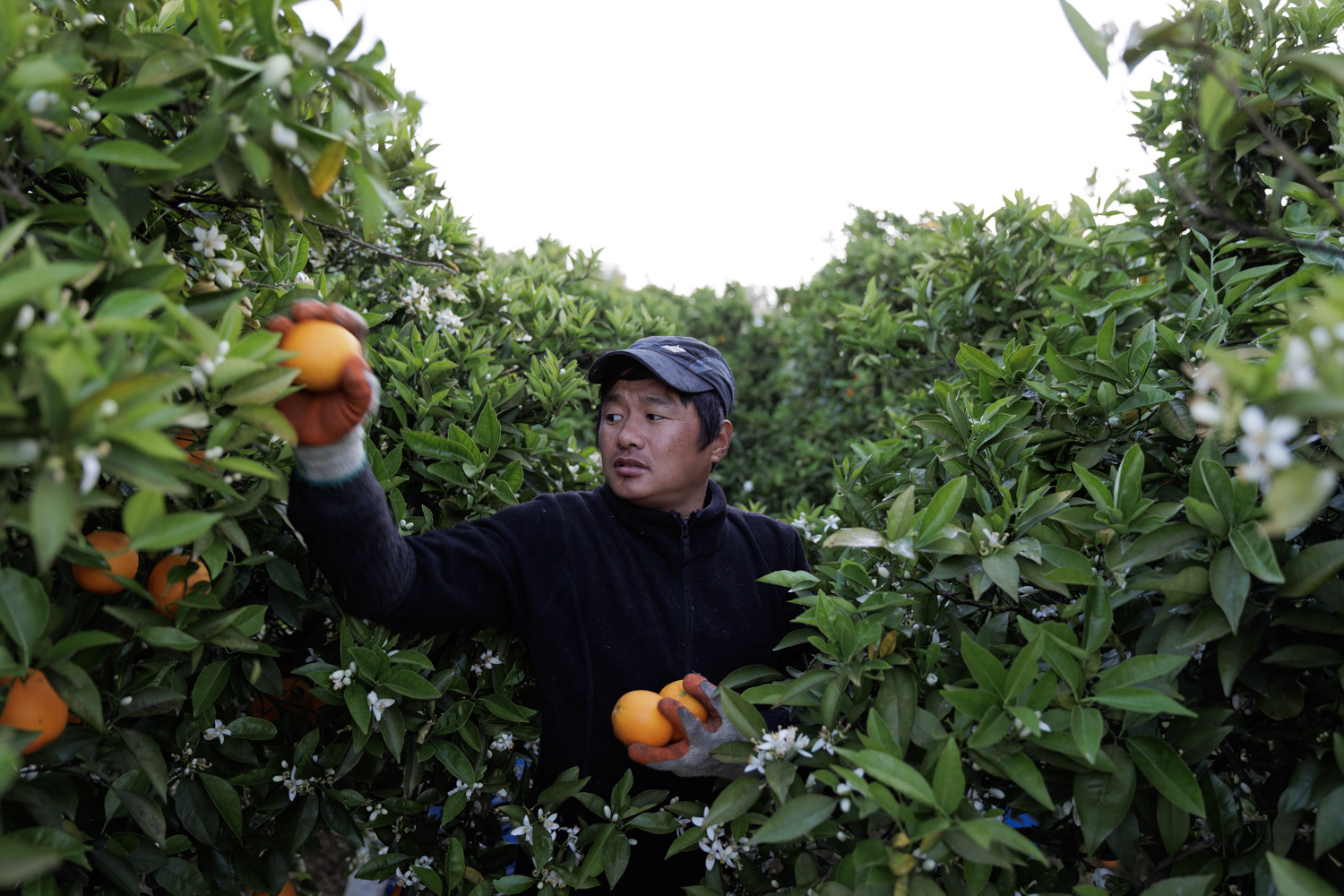
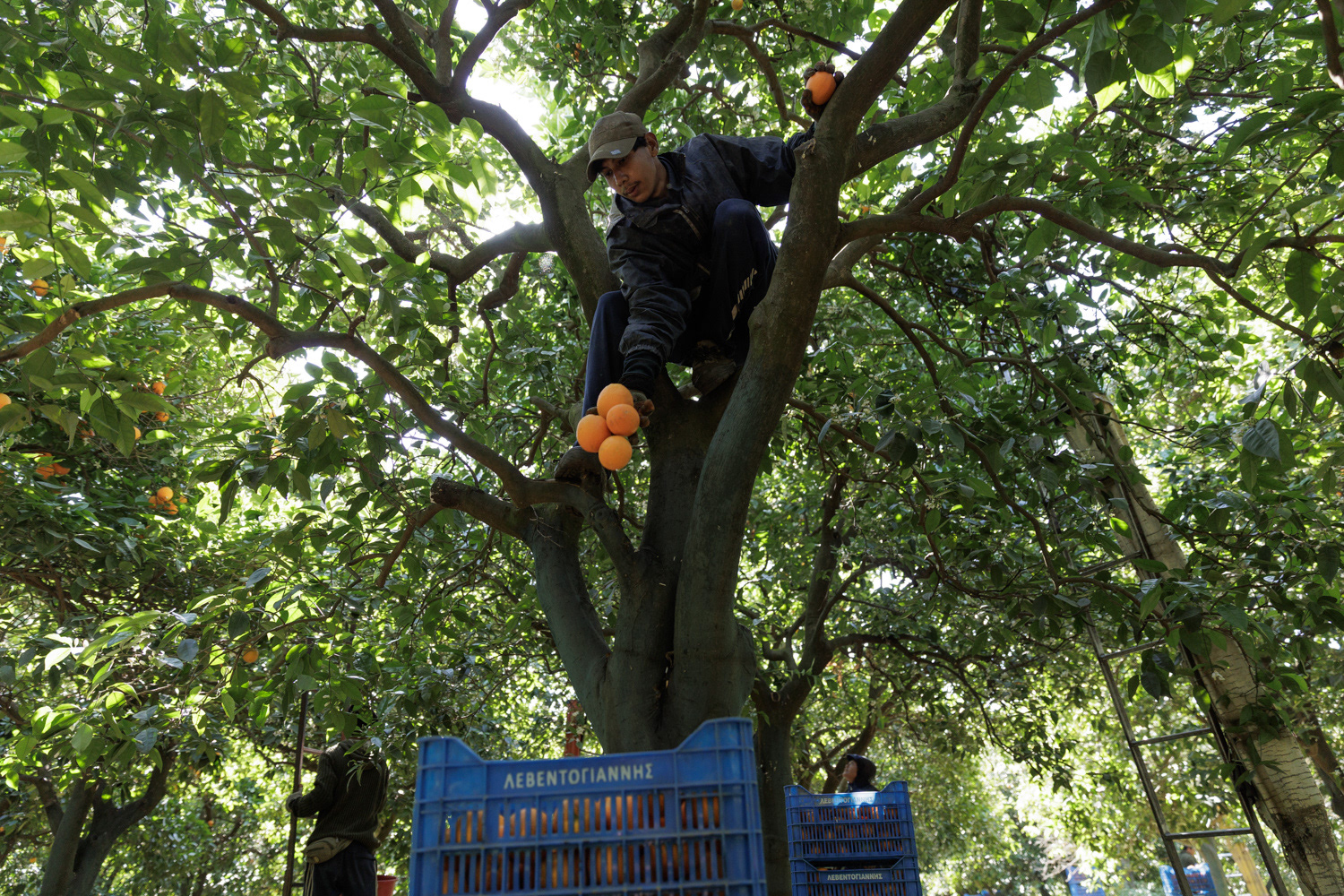
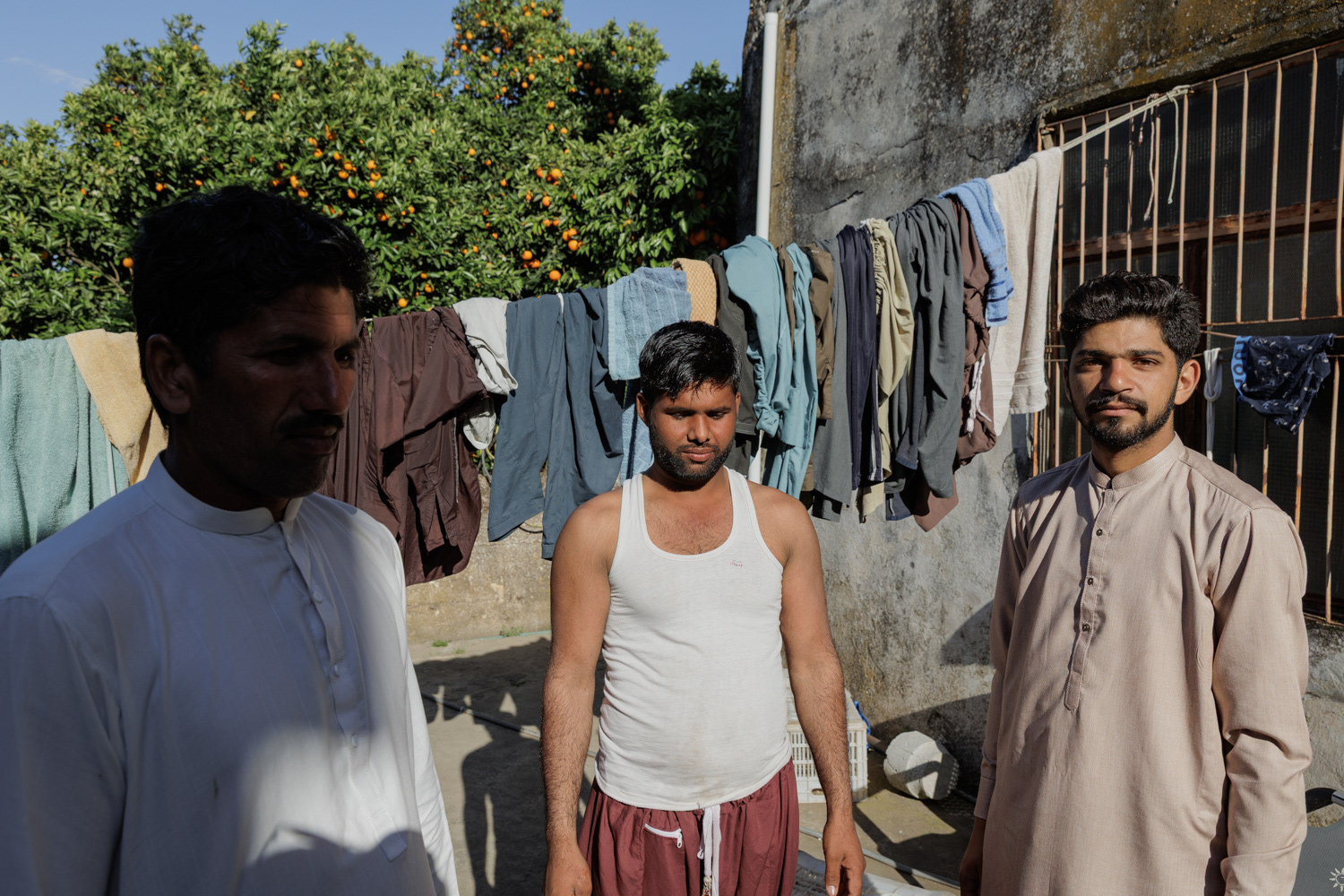
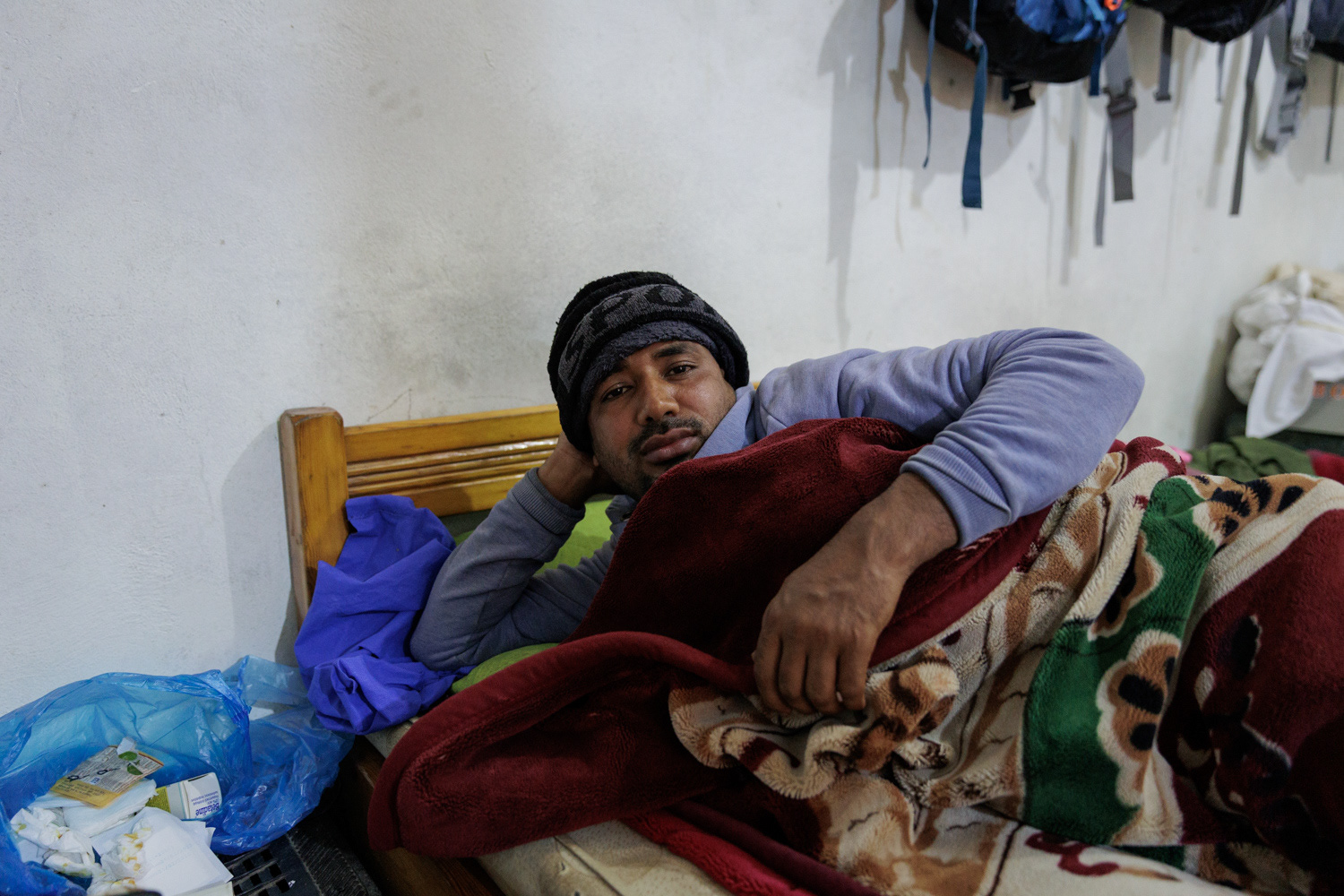
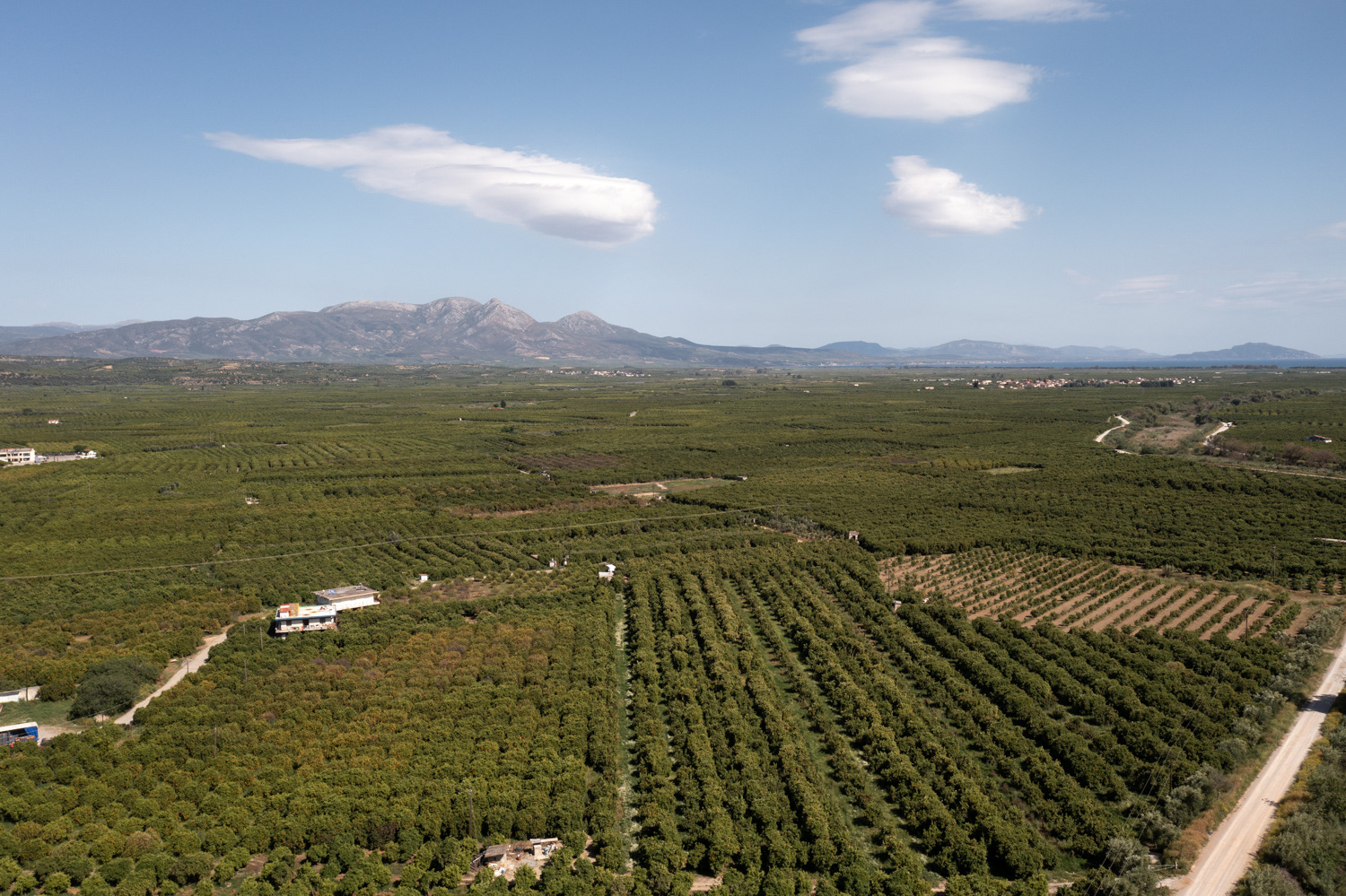
The arrival of agricultural workers from third countries in Laconia began in the 1990s. Around the early 2000s, the Pakistani community started to play a leading role. According to testimonies and reports, the first Pakistani workers settled in the area during this period, meeting the growing needs of agricultural production, particularly in the olive cultivation and citrus sectors.
Their presence increased significantly after 2010, as the demand for cheap and available labor grew, while local populations were either declining or shifting to other sectors of employment. This situation led to cases of exploitation, as well as protests such as the strike by Pakistani workers in July 2014, when they protested against unpaid wages and poor working conditions.
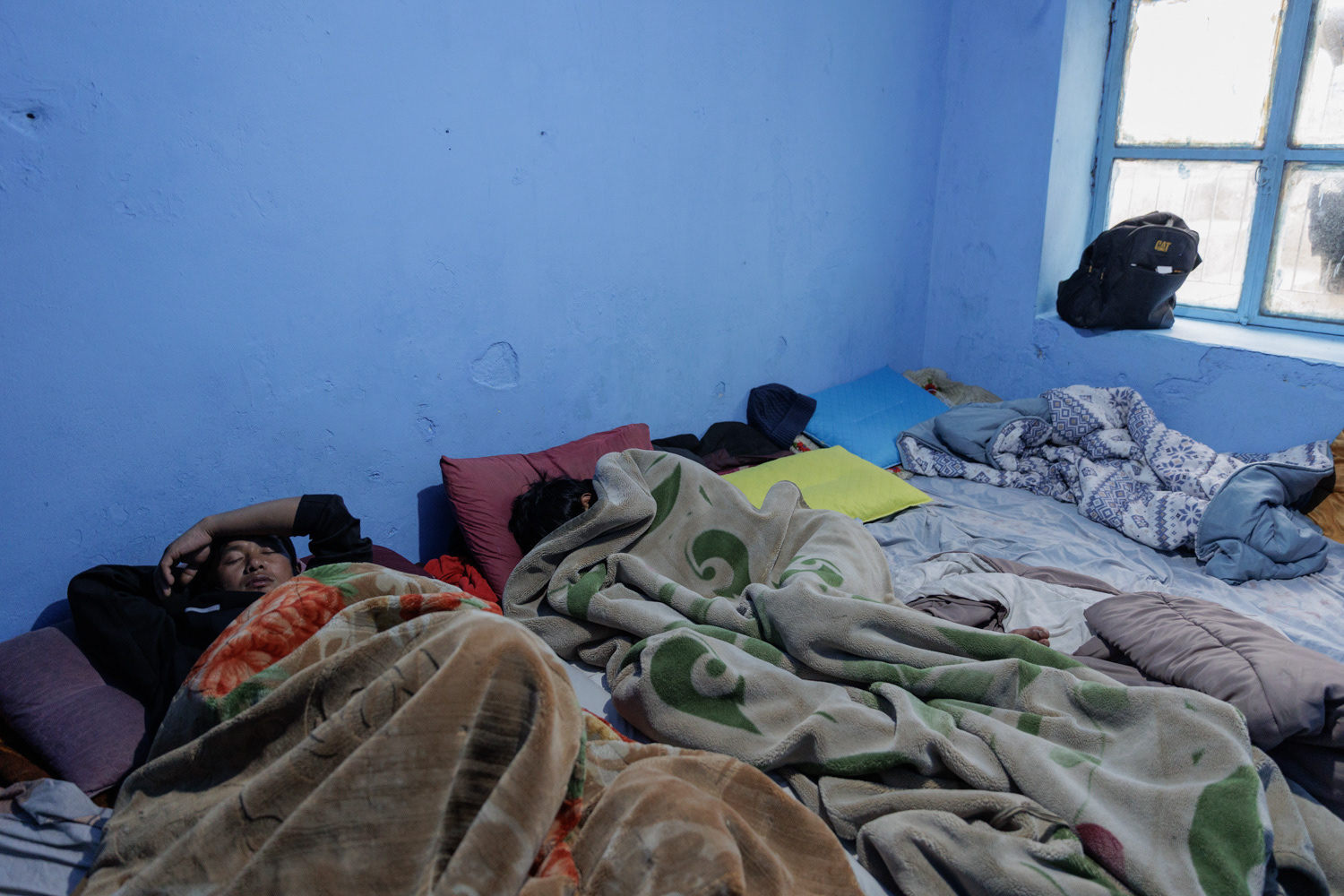
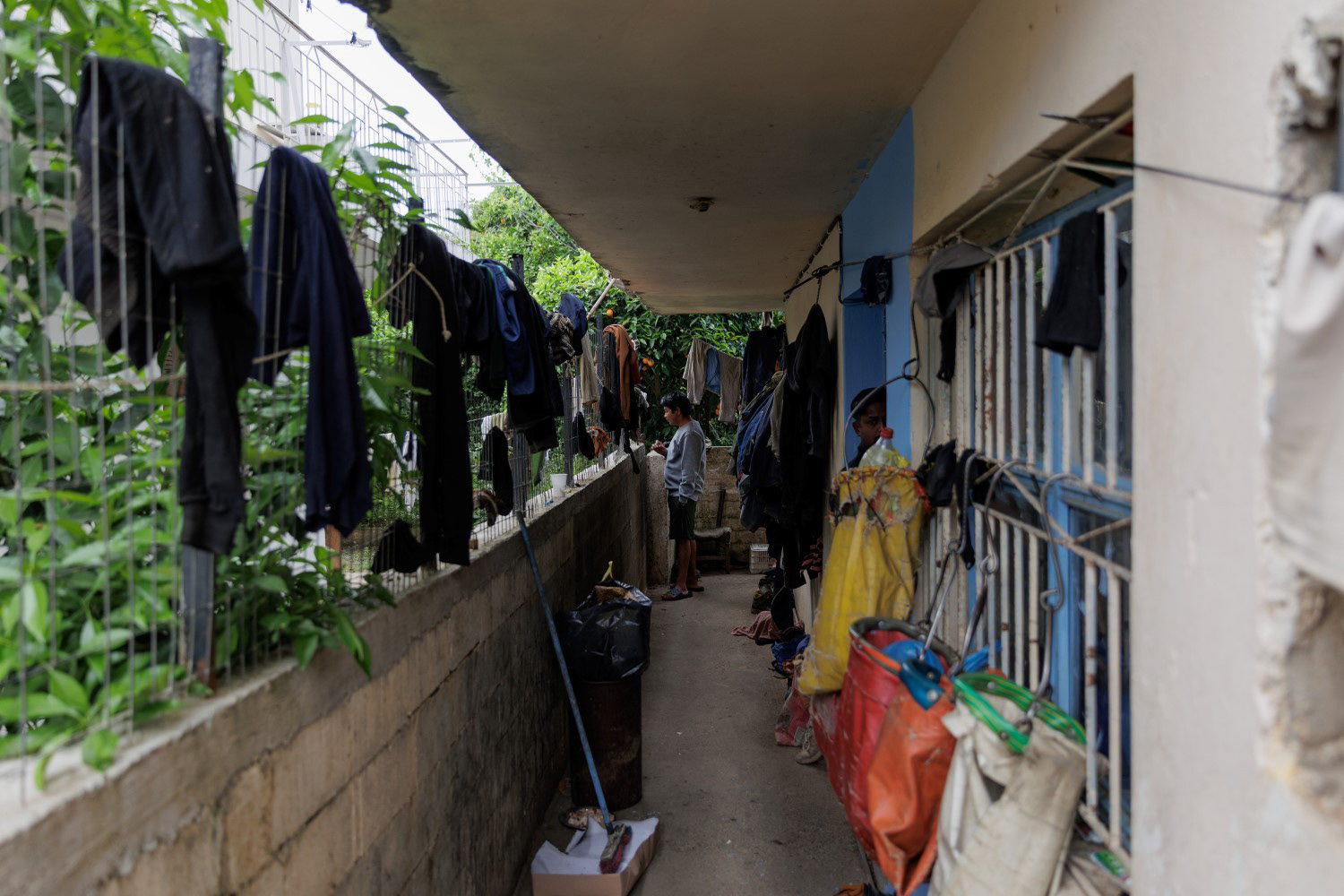
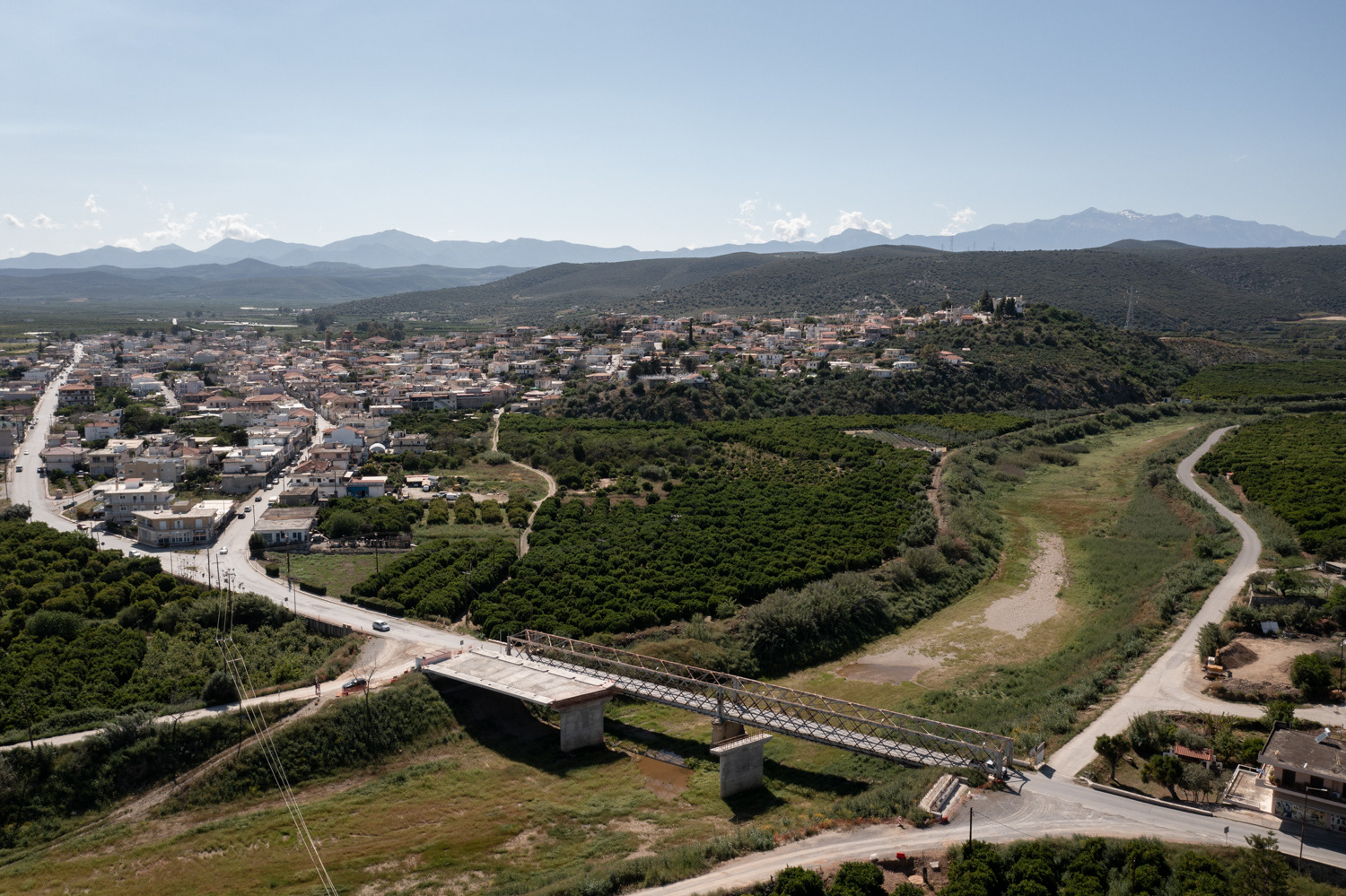
The acquisition of a permanent residence permit by agricultural workers is extremely rare. Most remain trapped in a system of seasonal employment, without the possibility of legalisation, despite their long-term presence and their significant contribution to agricultural production. This institutional gap has led to phenomena of exploitation and irregularity, with workers employed without full rights and protections, while at the same time the agricultural economy remains heavily dependent on their labour.
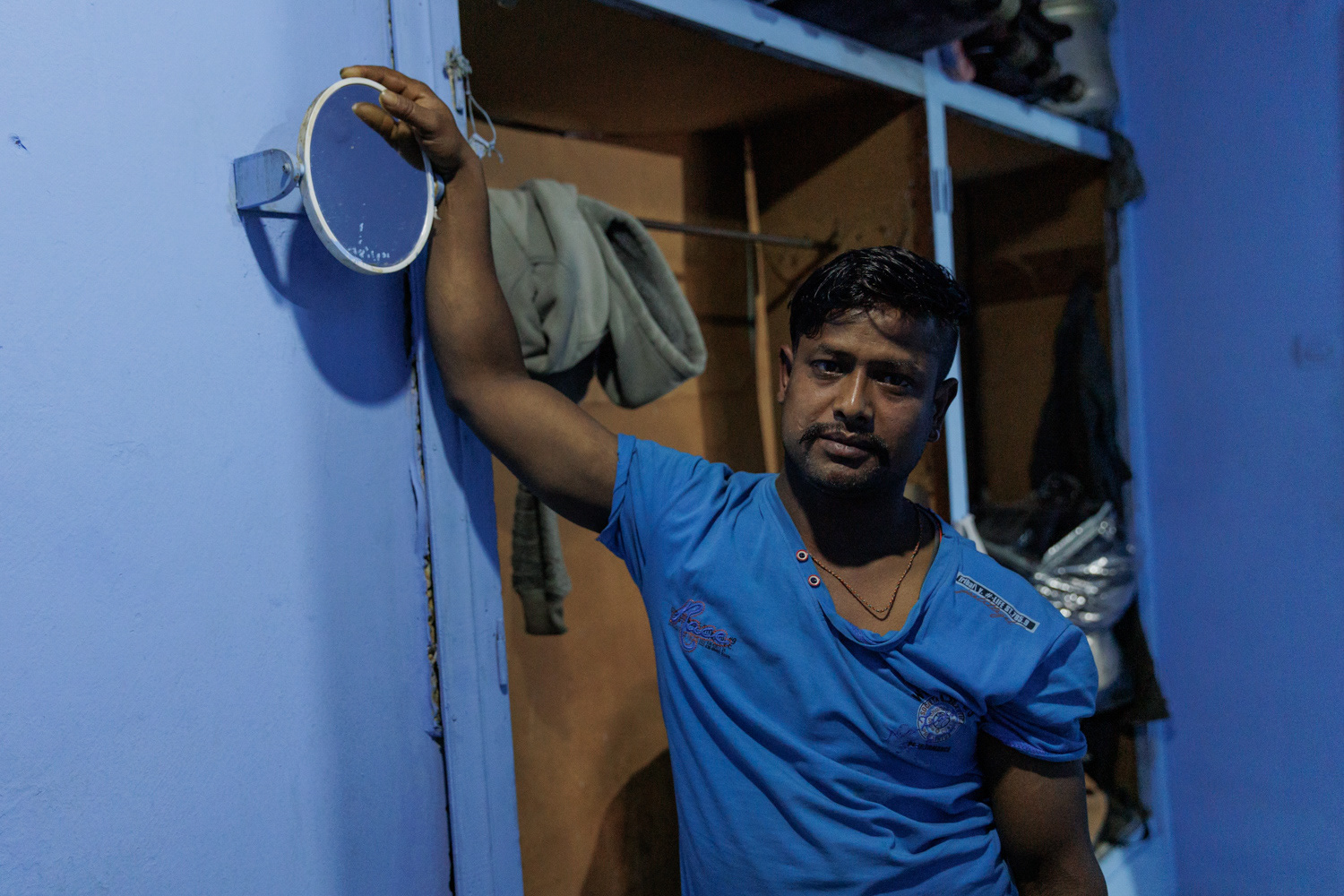
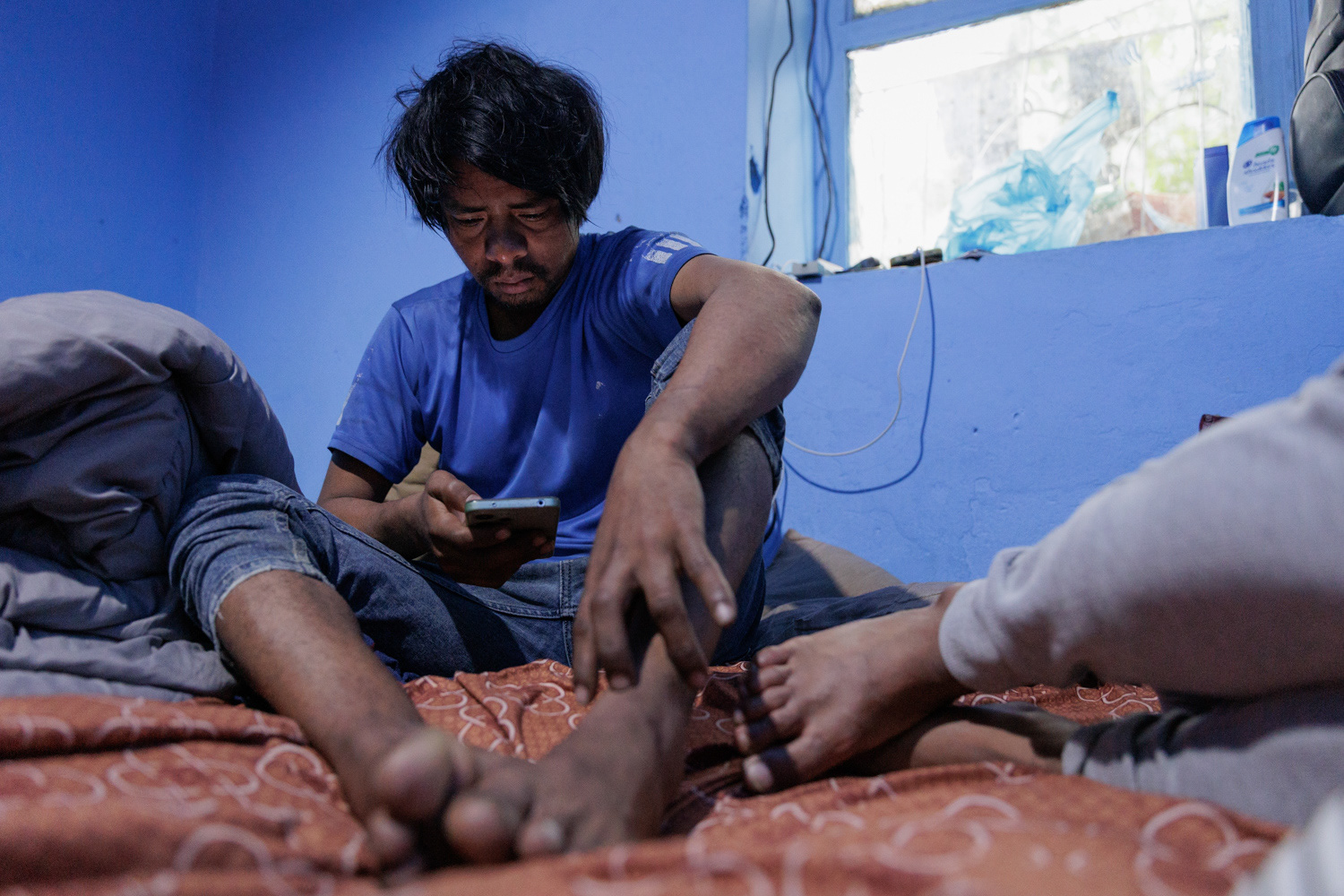
In recent years, the number of Pakistani agricultural workers has declined significantly, as many have migrated to countries such as Italy, where obtaining legal documentation for employment in the agricultural sector is easier, or have established their own businesses.
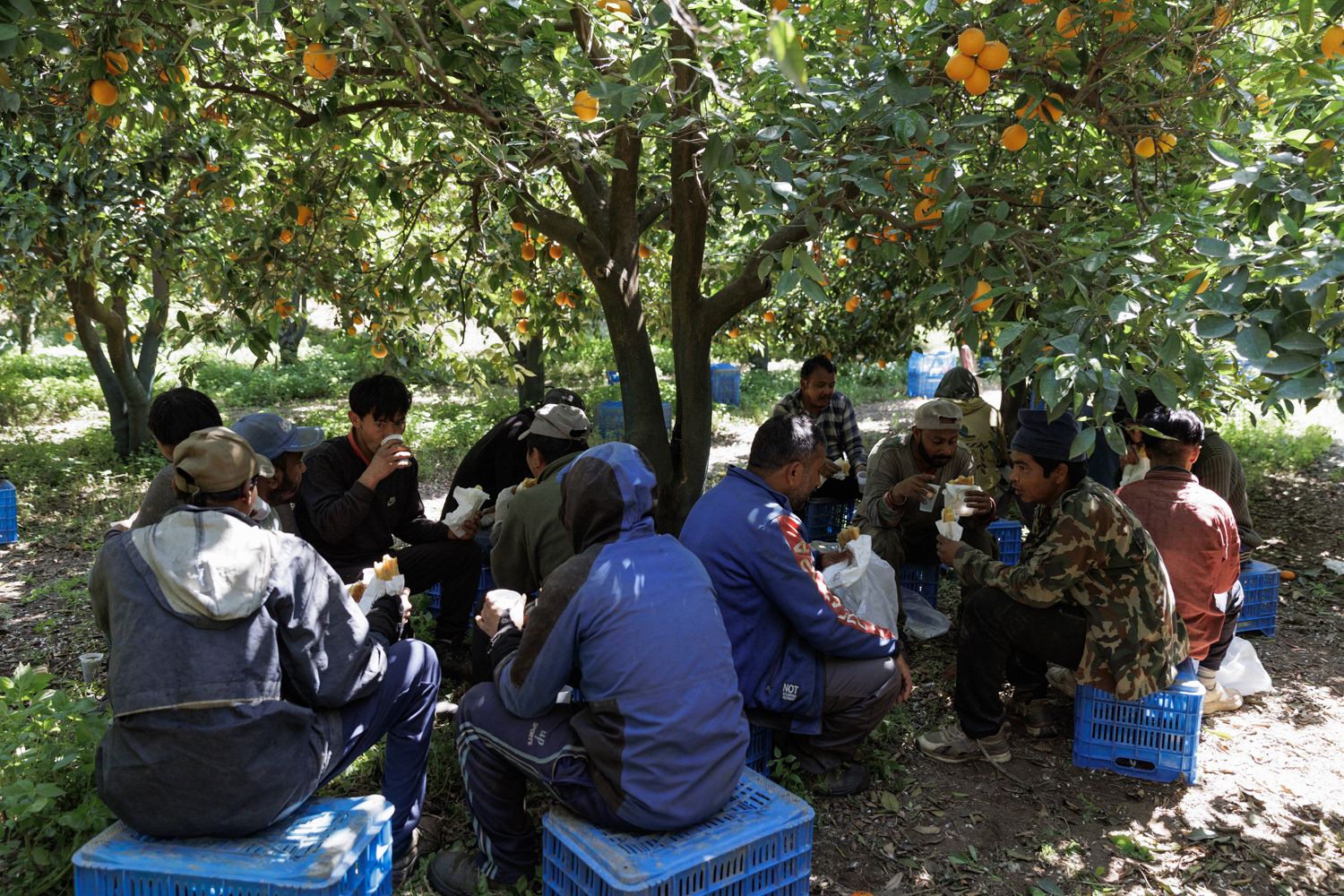
At the same time, a new influx of agricultural workers from Nepal has begun, some of whom were invited by remaining Pakistani workers, as they speak a similar language. This new wave of workers from Nepal has, for the time being, partially filled the gap left by the departure of many Pakistani labourers
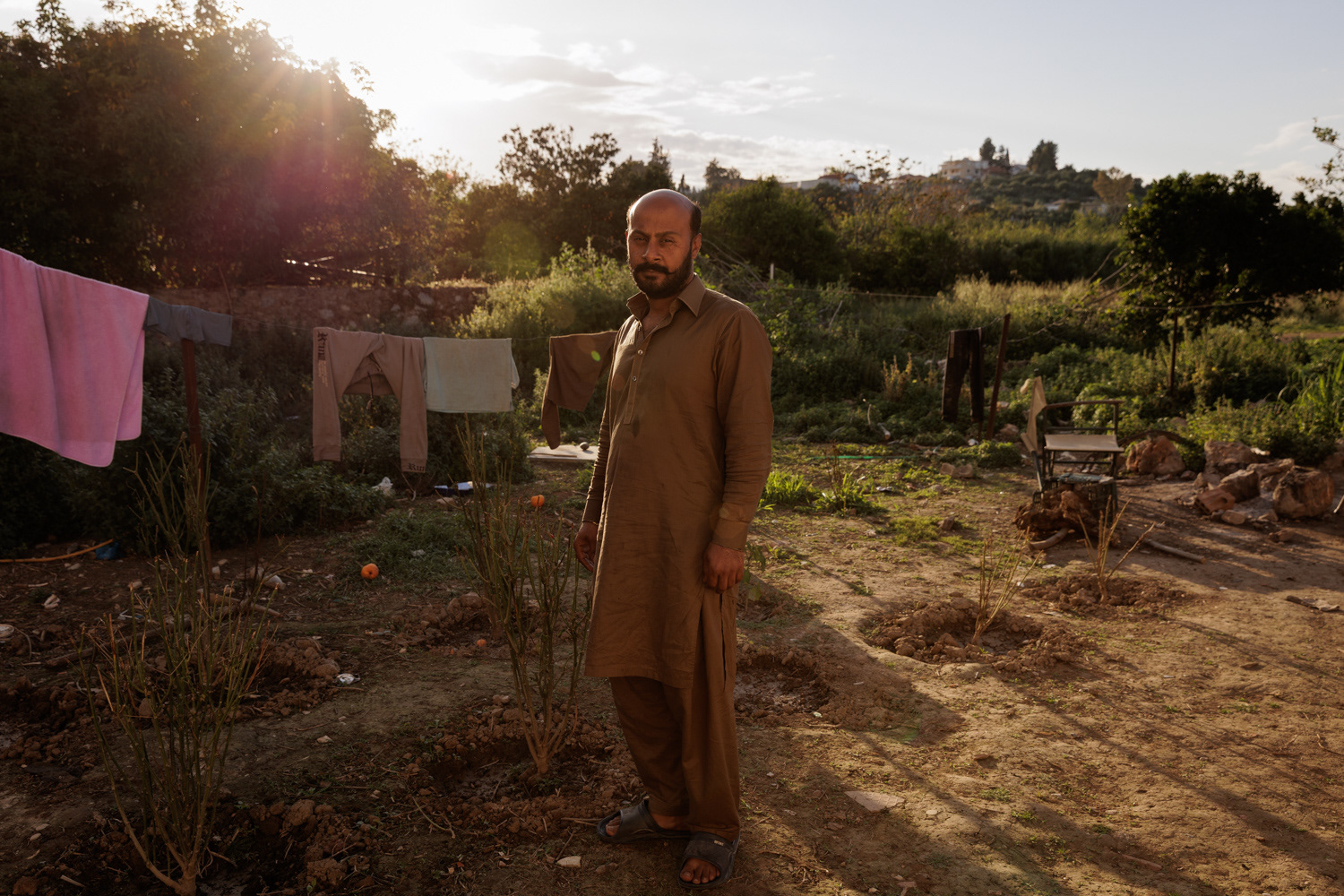
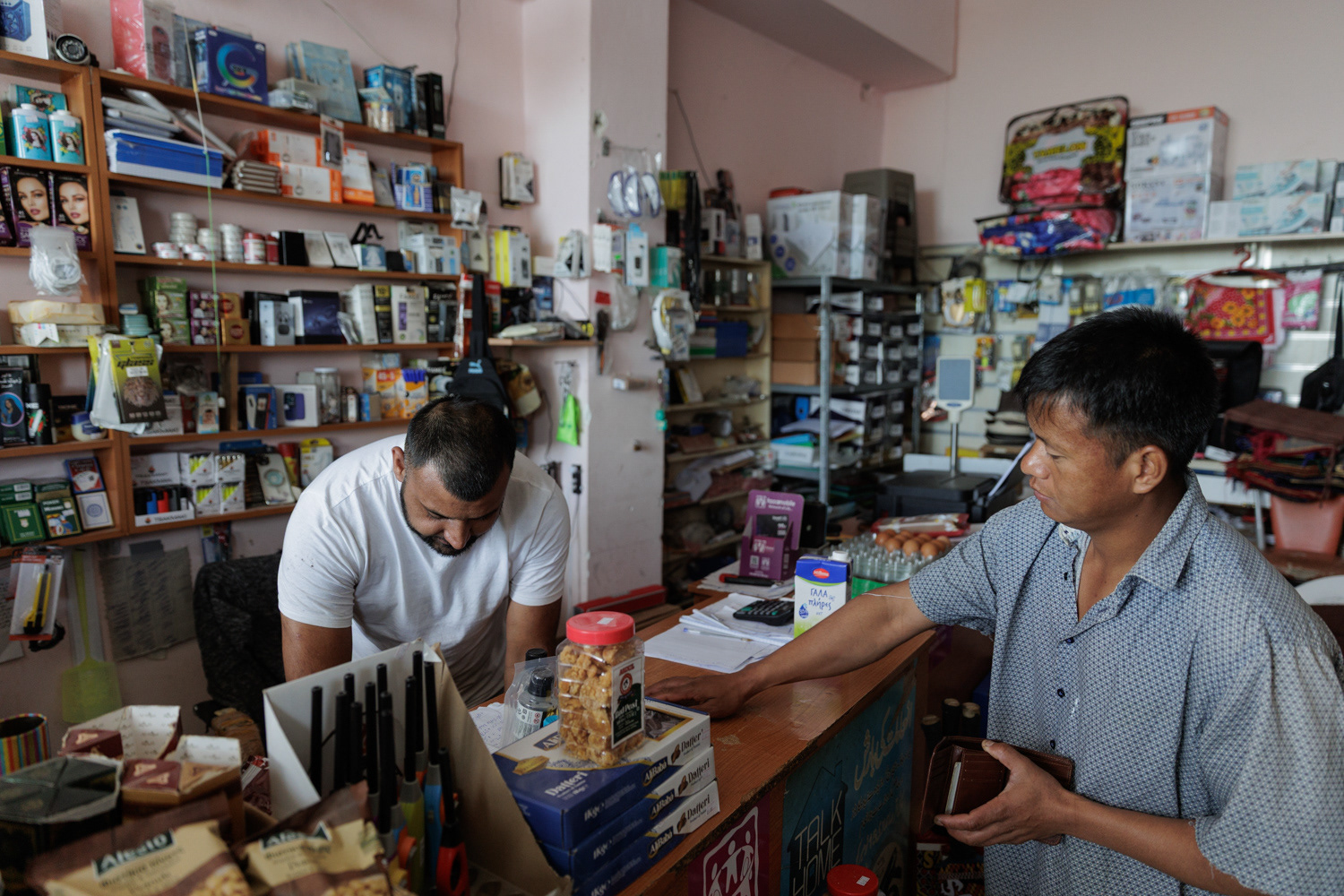
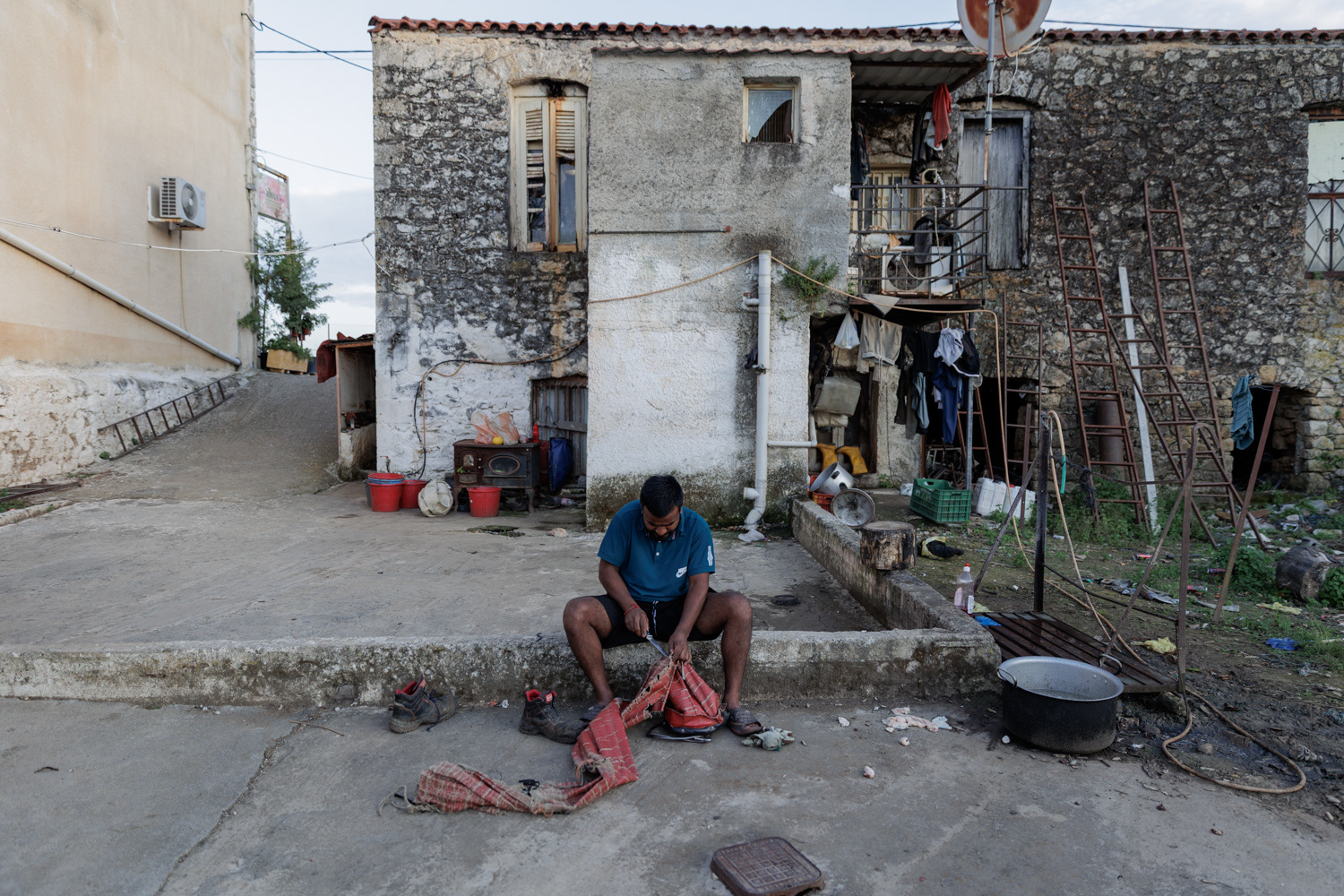
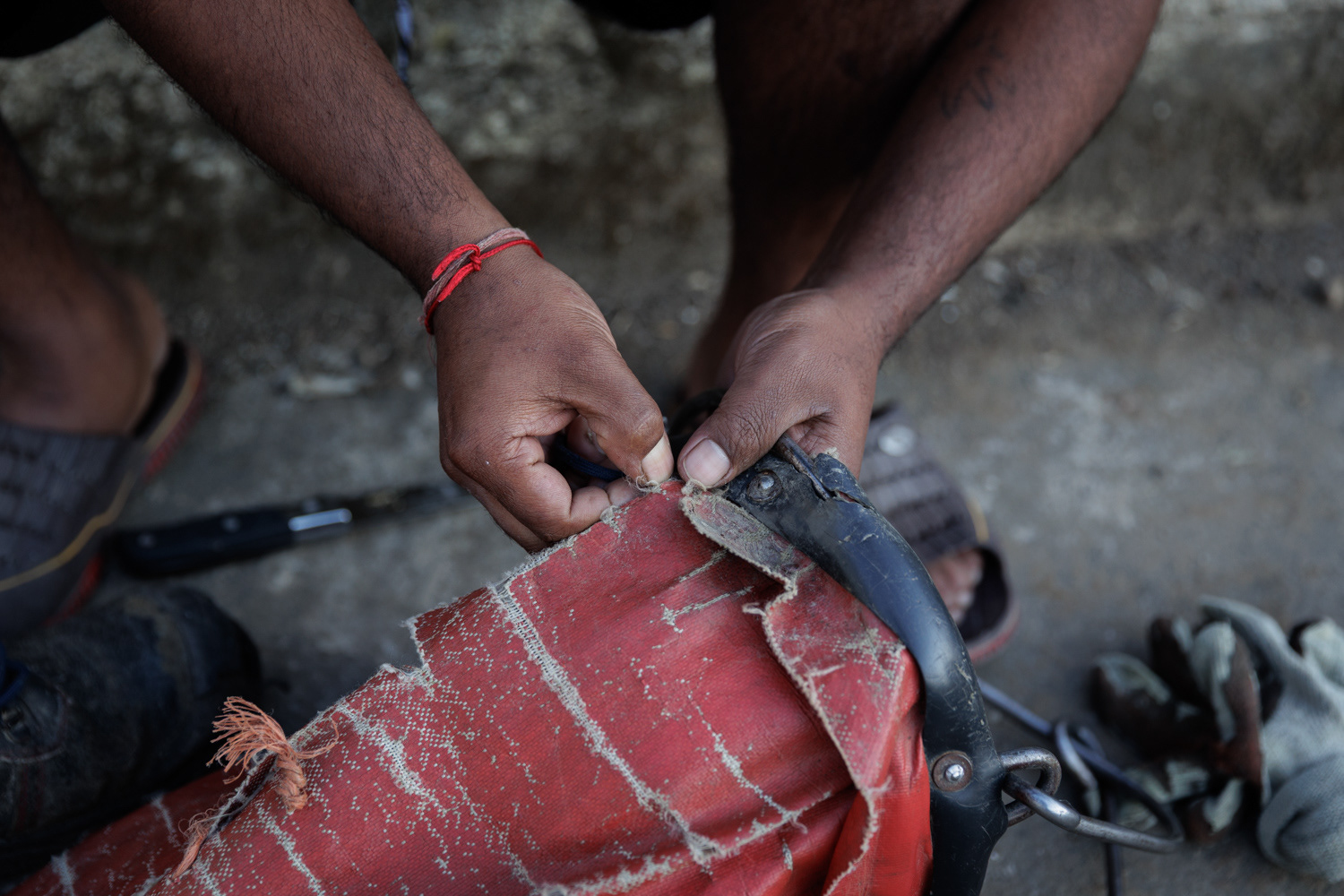
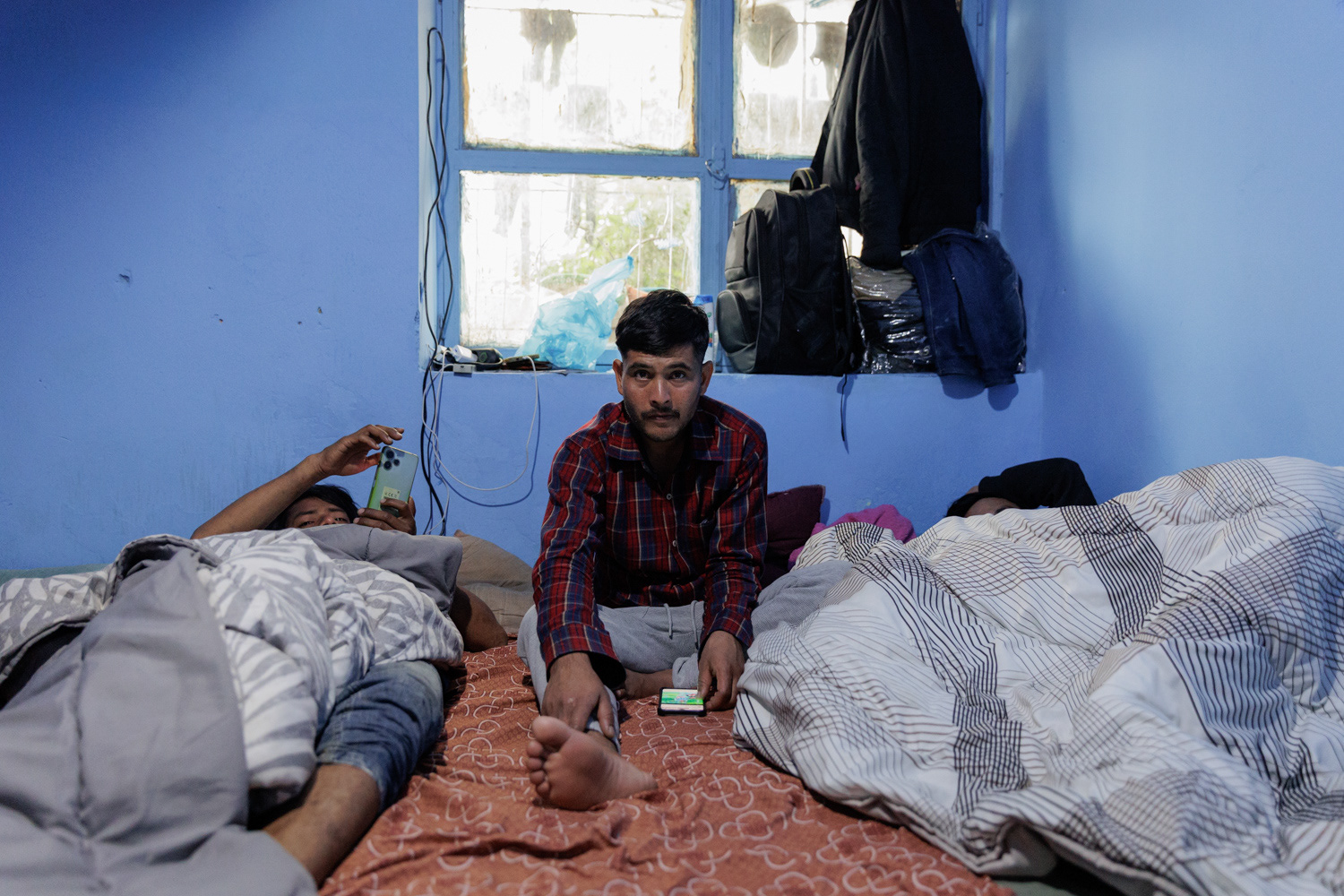
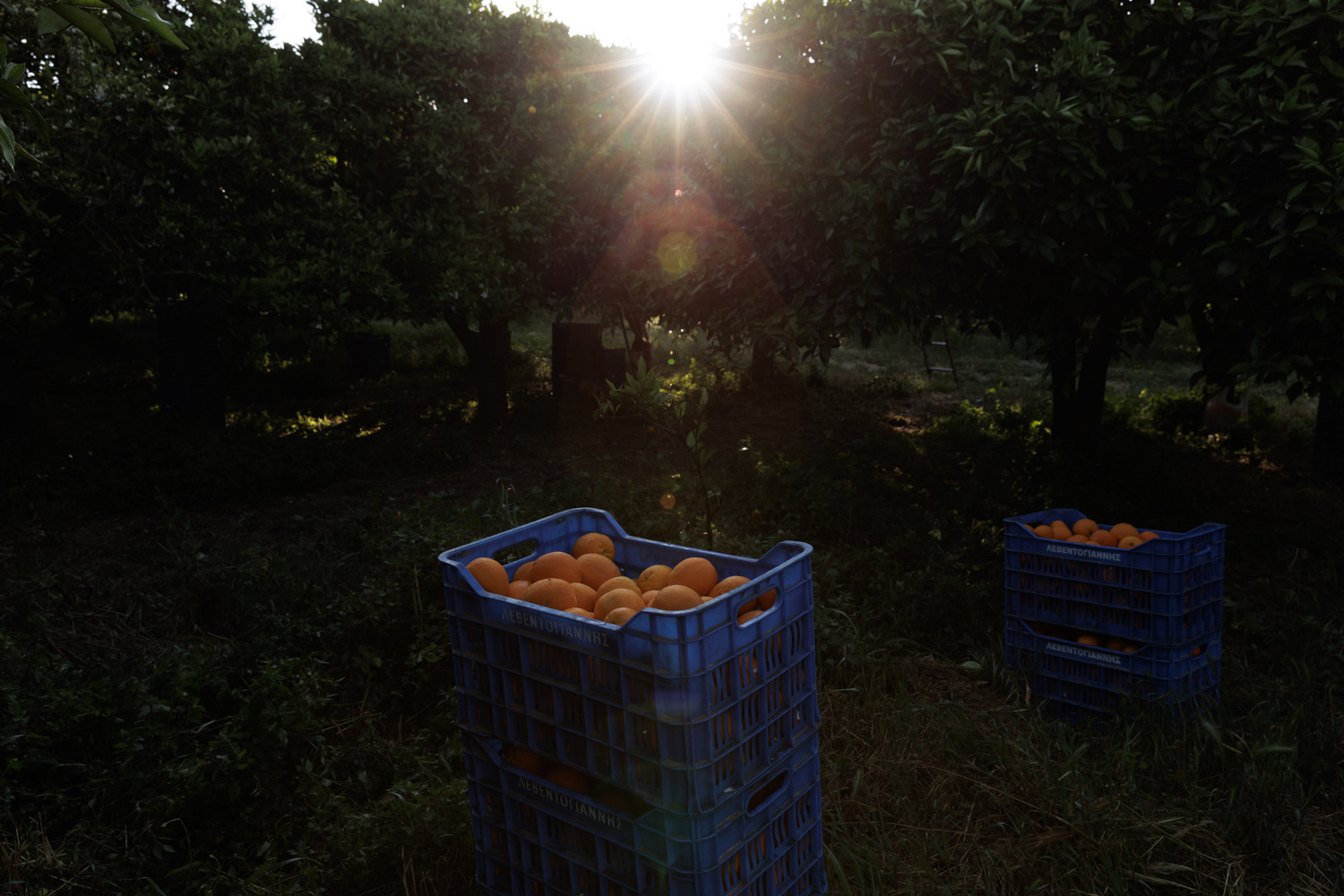
The economy of Laconia is based on the agricultural sector. People from Pakistan, Bangladesh, Syria, and more recently Nepal, leave their homelands and come to this region in order to work and survive. Over the past three decades, villages in Laconia have received large inflows of agricultural workers from third countries. The harvesting of the region’s agricultural products—on which the majority of the local population depends for its livelihood—is almost entirely carried out thanks to these workers.